Design System

Designing a scalable design system for enterprise platforms

Project Overview

Role
UX/UI Designer, Design System Lead
Product type
Enterprise Platform Ecosystem
Scope
Cross-functional standardization across multiple enterprise applications
Core contribution
Defined scalable design standards, established governance processes, and aligned UX/UI and engineering practices across enterprise-level platforms

A Note on Transparency

This case study represents a reconstructed version of an internal enterprise initiative. All visuals and assets have been recreated for demonstration purposes. No proprietary or confidential information is disclosed.

The Context

The organization operated multiple enterprise platforms supporting complex operational workflows. Each platform evolved independently, shaped by different teams, timelines, and business priorities. Over time, this fragmentation created systemic inconsistencies:

  • Core components behaved differently across platforms
  • Visual hierarchy lacked uniformity
  • Design and engineering naming systems were misaligned
  • Reusable patterns were recreated instead of standardized
  • Documentation was non-existent


Individually manageable. At enterprise scale, structurally inefficient. One of the main challenges was creating a system that could ensure consistency across the product while remaining flexible enough to support different use cases.

From Initiative to Infrastructure

What began as an effort to improve interface consistency quickly expanded into a broader architectural discussion with engineering team.

It became clear the organization did not need isolated UI improvements; it required a scalable design infrastructure.

I joined the initiative as a UX/UI Designer and progressively assumed responsibility for leading the design system from the design side, focusing on:

  • Structural definition
  • Component standardization
  • Governance processes
  • UX/UI – engineering alignment


The UX/UI Lead managed stakeholder coordination and escalation. I owned the system logic, quality standards, and long-term scalability.

Establishing the Foundations

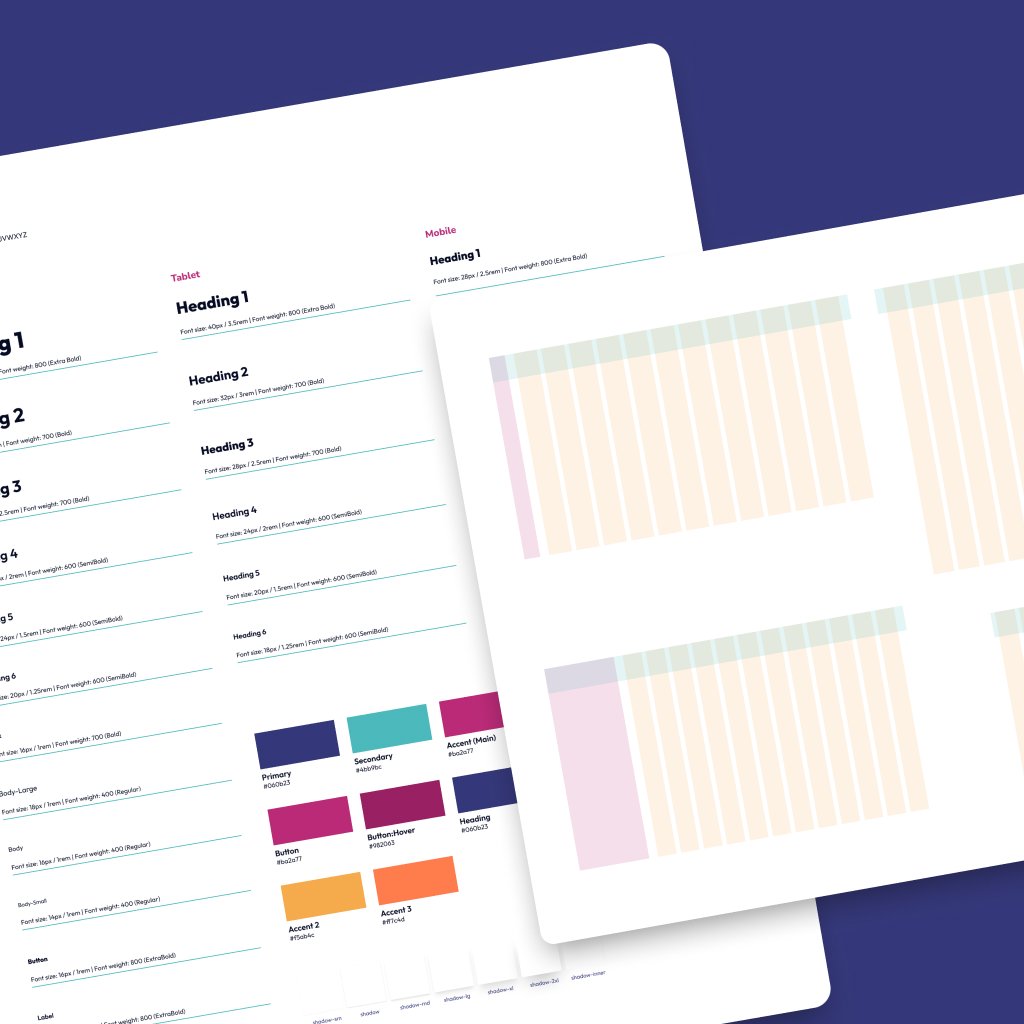
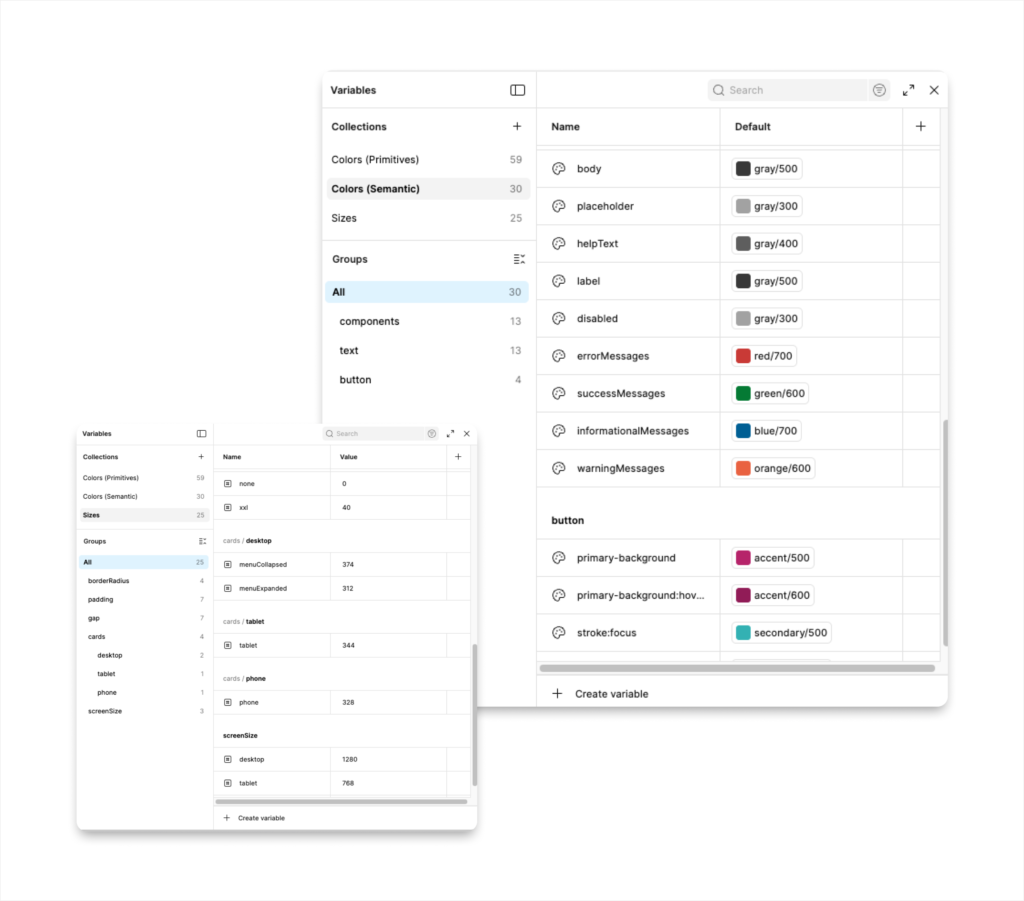
Before creating components, we defined the foundational architecture to ensure consistency at scale. The system included:

  • A semantic color token structure
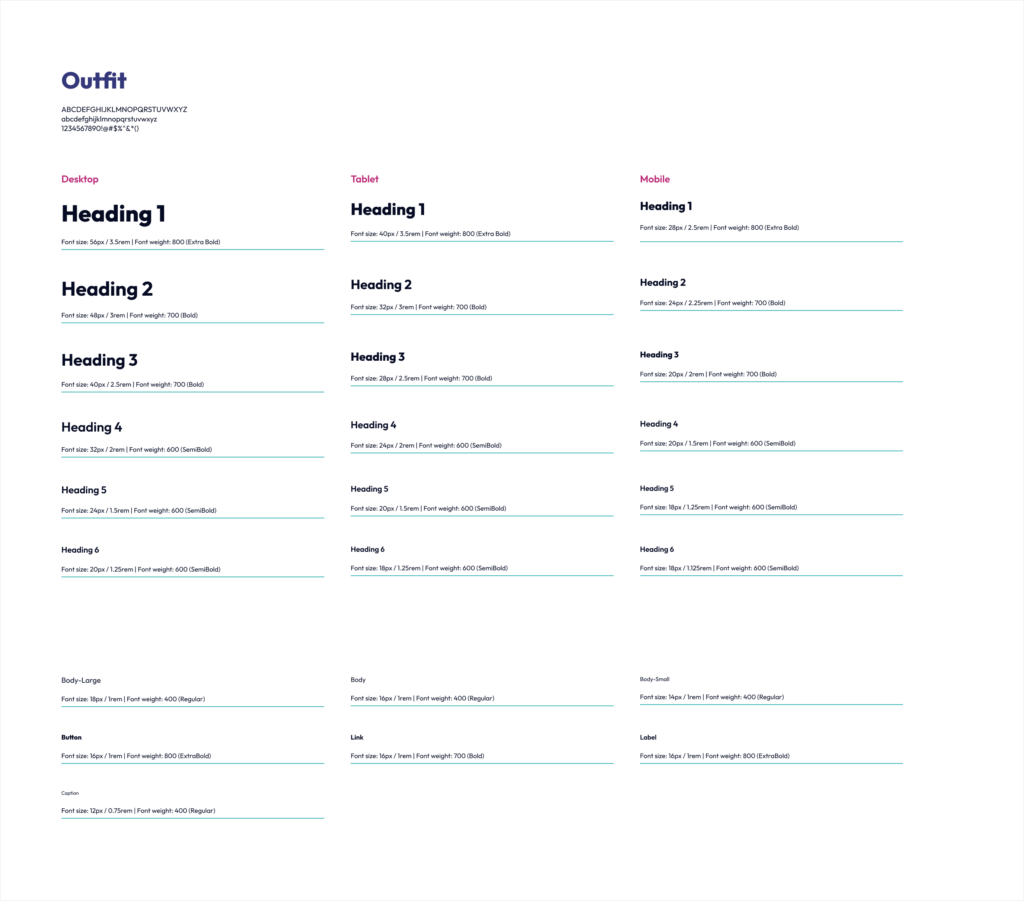
  • A scalable typography hierarchy
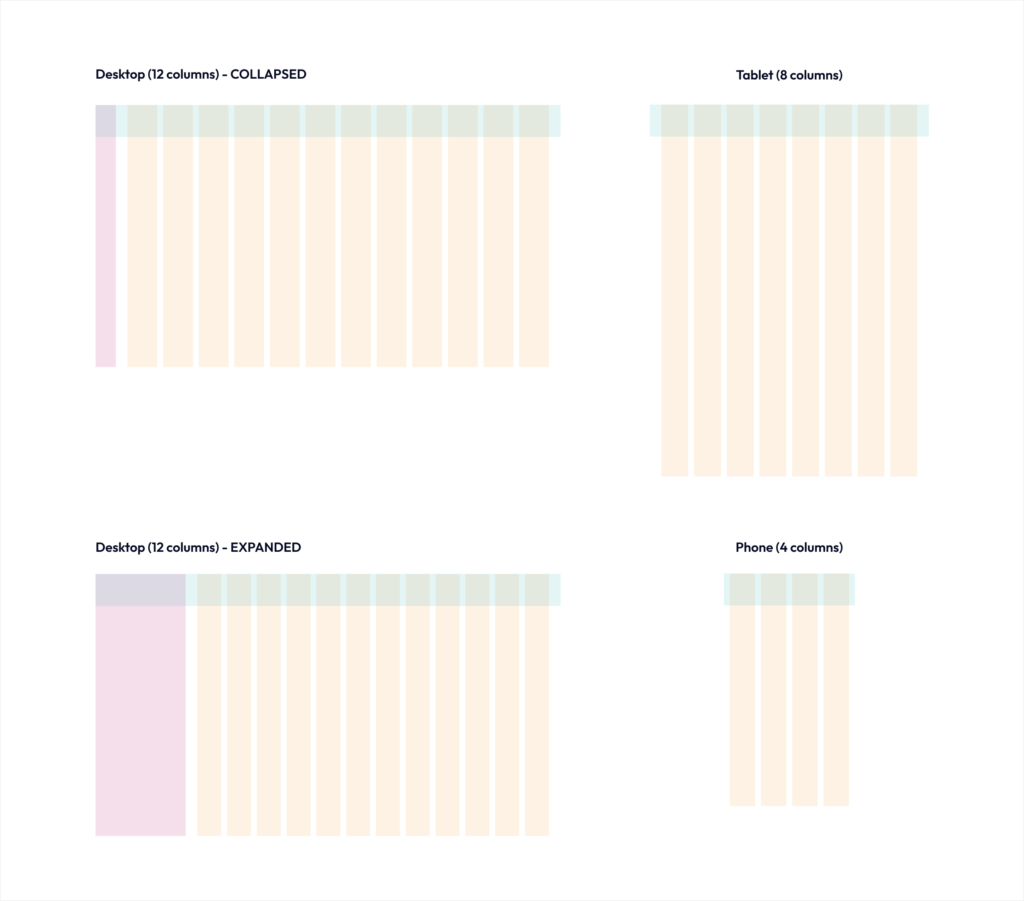
  • A consistent spacing and layout framework
  • Elevation and border-radius logic
  • Accessibility-compliant contrast standards

The focus was on building a scalable foundation that could align design and development, reducing inconsistencies and improving efficiency. 
Audit & Standardization Strategy

A cross-platform audit was conducted to identify inconsistencies, redundancies, and structural gaps. Key findings included:

  • Multiple button variations performing the same function
  • Inconsistent form validation behaviors
  • Inconsistent table structures and behaviors
  • Lack of documentation for reusable components


Rather than addressing isolated UI issues, the audit informed a structured component roadmap focused on: Optimize, Rebuild, Standardize and Document. This marked the transition from reactive UI corrections to a proactive, system-driven infrastructure model.

Building the Design System

The system was created as a modular, scalable foundation supporting multiple enterprise platforms.

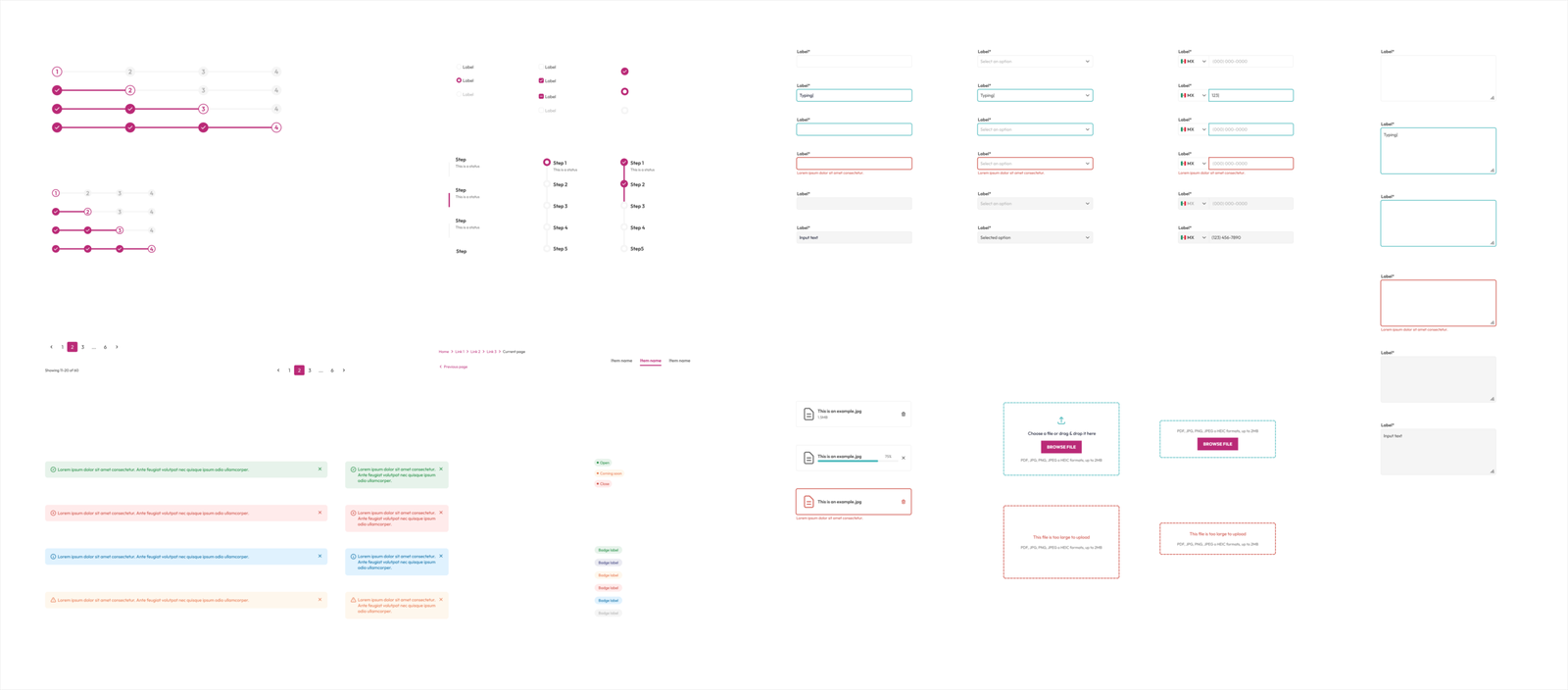
Core components included:
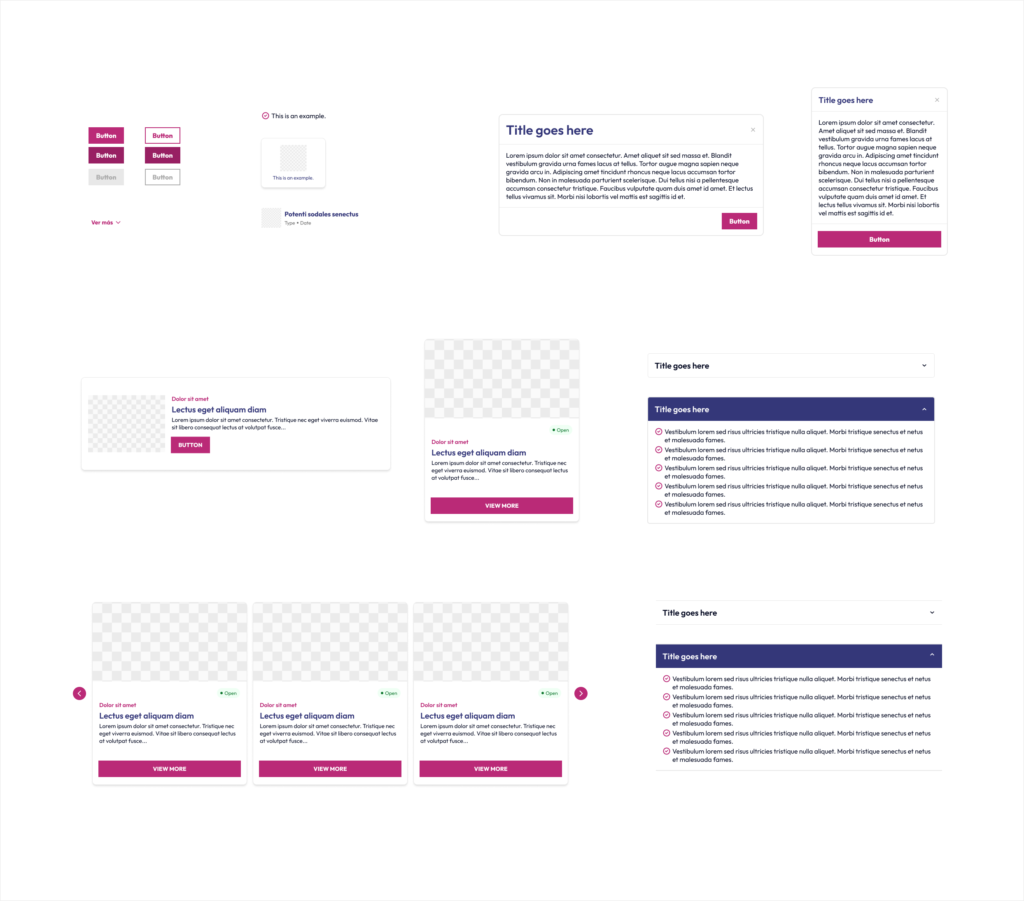
  • Buttons
  • Form elements with defined validation states
  • Data tables optimized for dense operational environments
  • Status indicators and alerts
  • Navigation, layout, and workflow patterns

Sustainability & Impact

As Design System Lead, I established a framework to ensure the system could evolve without losing integrity. This included:

  • Defining clear component acceptance criteria
  • Managing prioritization and roadmap planning
  • Reviewing and approving components
  • Ensuring alignment with foundational standards
  • Partnering with engineering to validate feasibility

Outcomes

While shifting organizational priorities limited full system rollout, the initiative delivered measurable structural impact:

  • Reduced design inconsistencies
  • Supported faster iteration across the product
  • Established documentation standards
  • Strengthened collaboration between UX/UI and engineering
  • Created a scalable foundation for future platform growth

What This Project Demonstrates